Implementation Process
REDUCTION OF TWO-THIRDS IN MEETINGS
After embarking on the new journey to implement the project, meetings with clients have been reduced by approximately 66.66%, thanks to the users having more clarity on the process and being able to register on their own.
Context
Problem
The main challenges in the implementation process were:
• A long implementation timeline (around two months)
• Frequent confusion about how to complete the forms, resulting in numerous support meetings
• Poorly optimized screens that prevented suppliers from completing the process independently
The Process
How I approached this project
Identifying the problem
Uncovering the answers we need
Defining the approach
Creating a clear example
Identifying the problem
My process began with a workshop involving the entire implementation team. The goal was to understand the key friction points and the needs of both internal stakeholders and suppliers.
Several important insights emerged from these sessions:
The onboarding meeting is conducted with the person who purchased the service, but the person responsible for filling out the product or service information is often someone else. This mismatch frequently leads to additional meetings just to explain how to complete the form.
Users also tended to fill out the form incorrectly and often provided information that was not relevant to the project.


Uncovering the answers we need
Because a large number of submissions were incorrect, I analyzed how the form questions were written. The instructions were unclear and ambiguous, leading to confusion and misinterpretation.
I decided to take a reverse-engineering approach. Instead of refining the existing questions, I worked with the team to identify the exact information they needed to receive from suppliers.
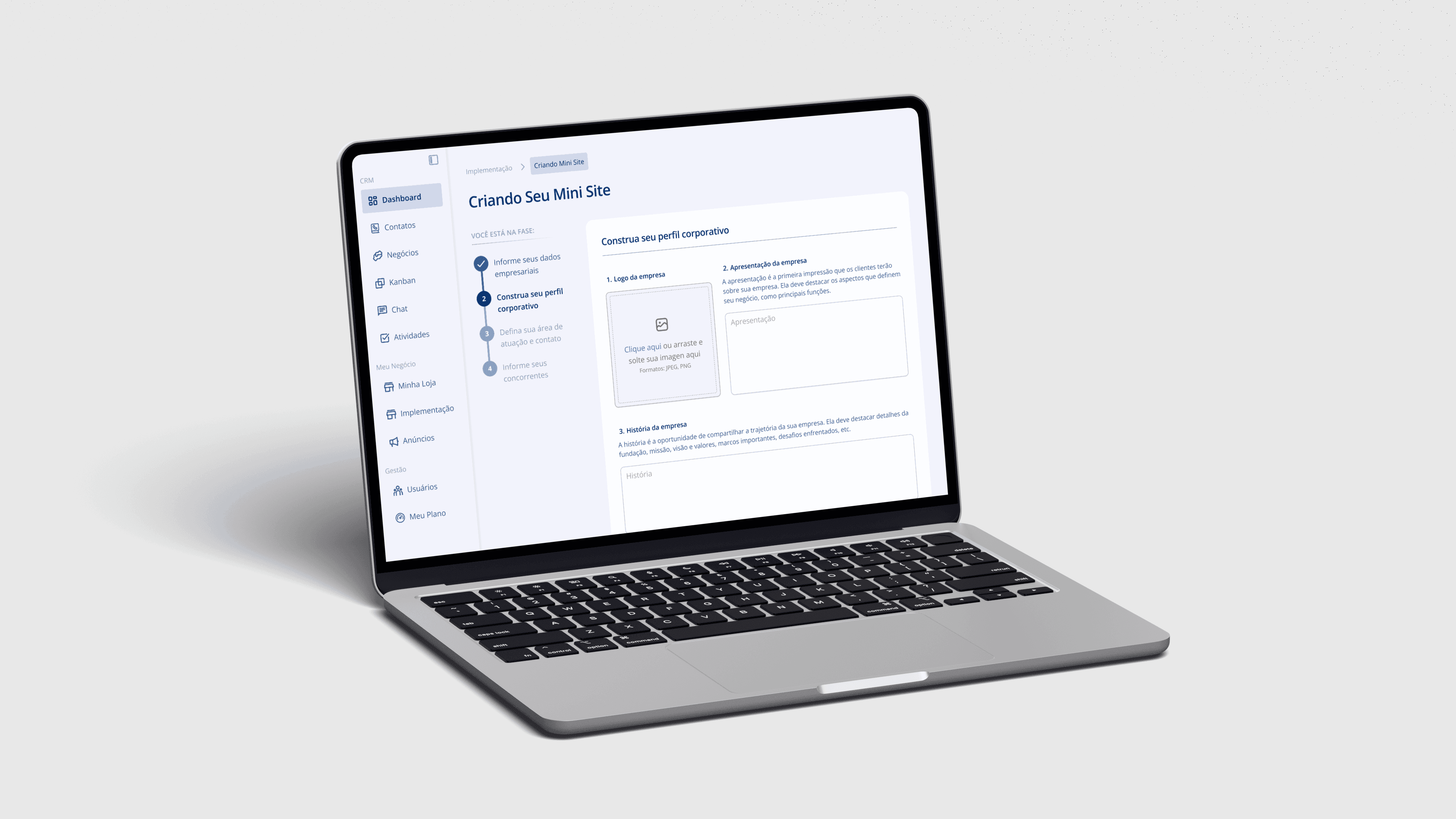
From there, I designed new questions that would naturally lead to the desired responses. I also proposed adding examples to every field to guide users during completion.
These examples use a specific, widely recognizable product, allowing users to understand the full process and how each field should be filled out when listing a similar item. As a result, even someone who did not attend the onboarding meeting can complete the form successfully.
Defining the approach
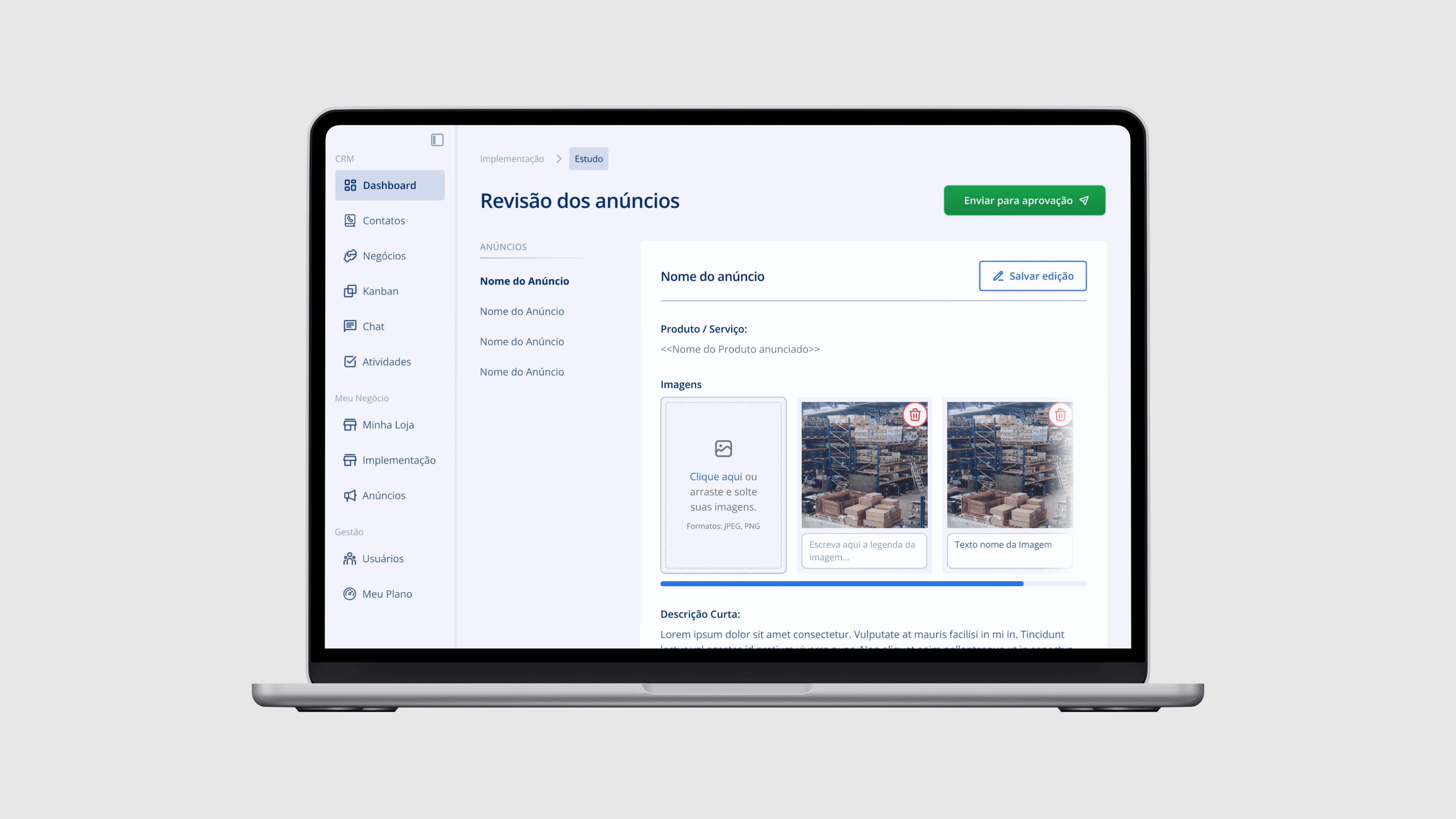
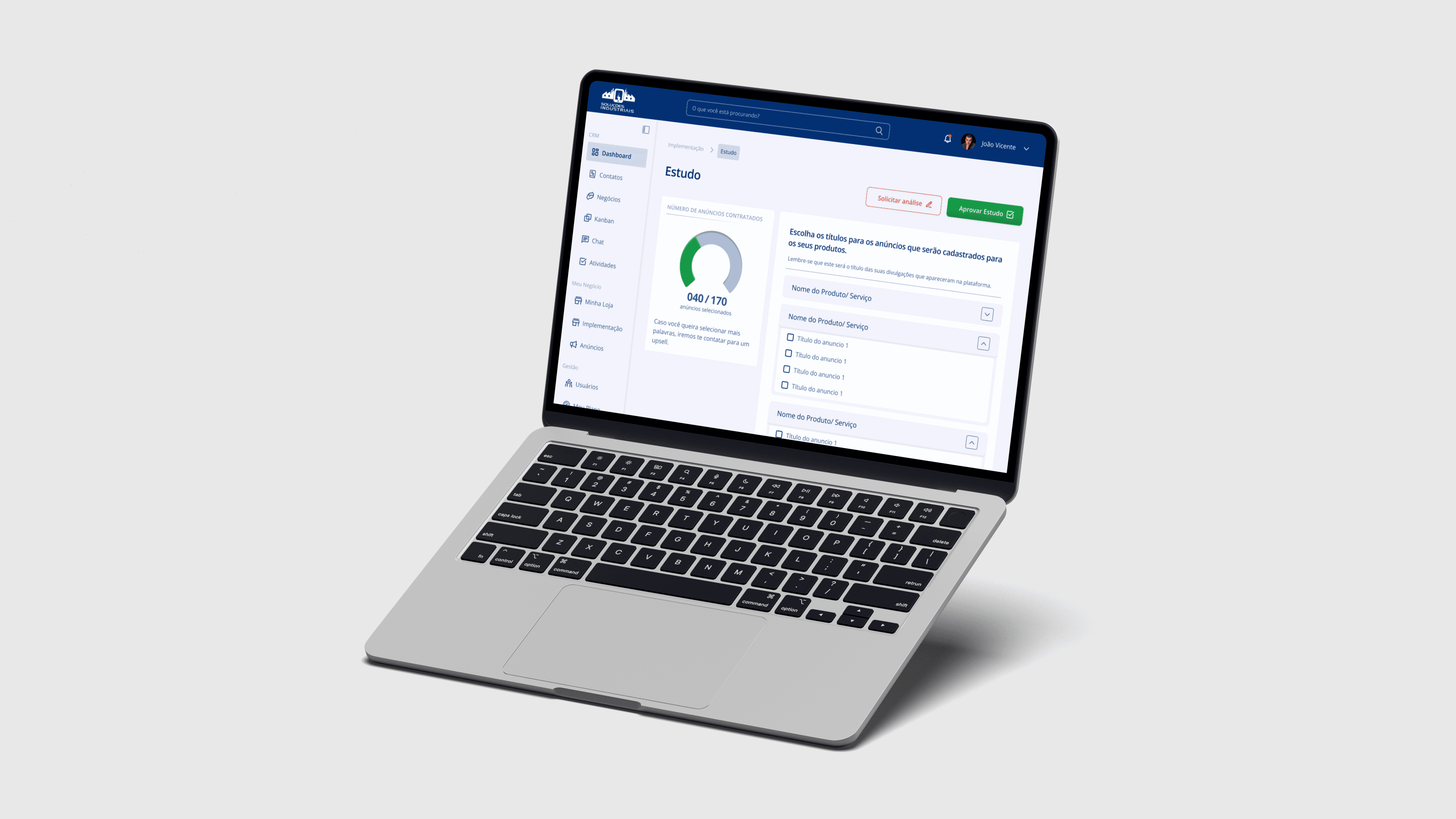
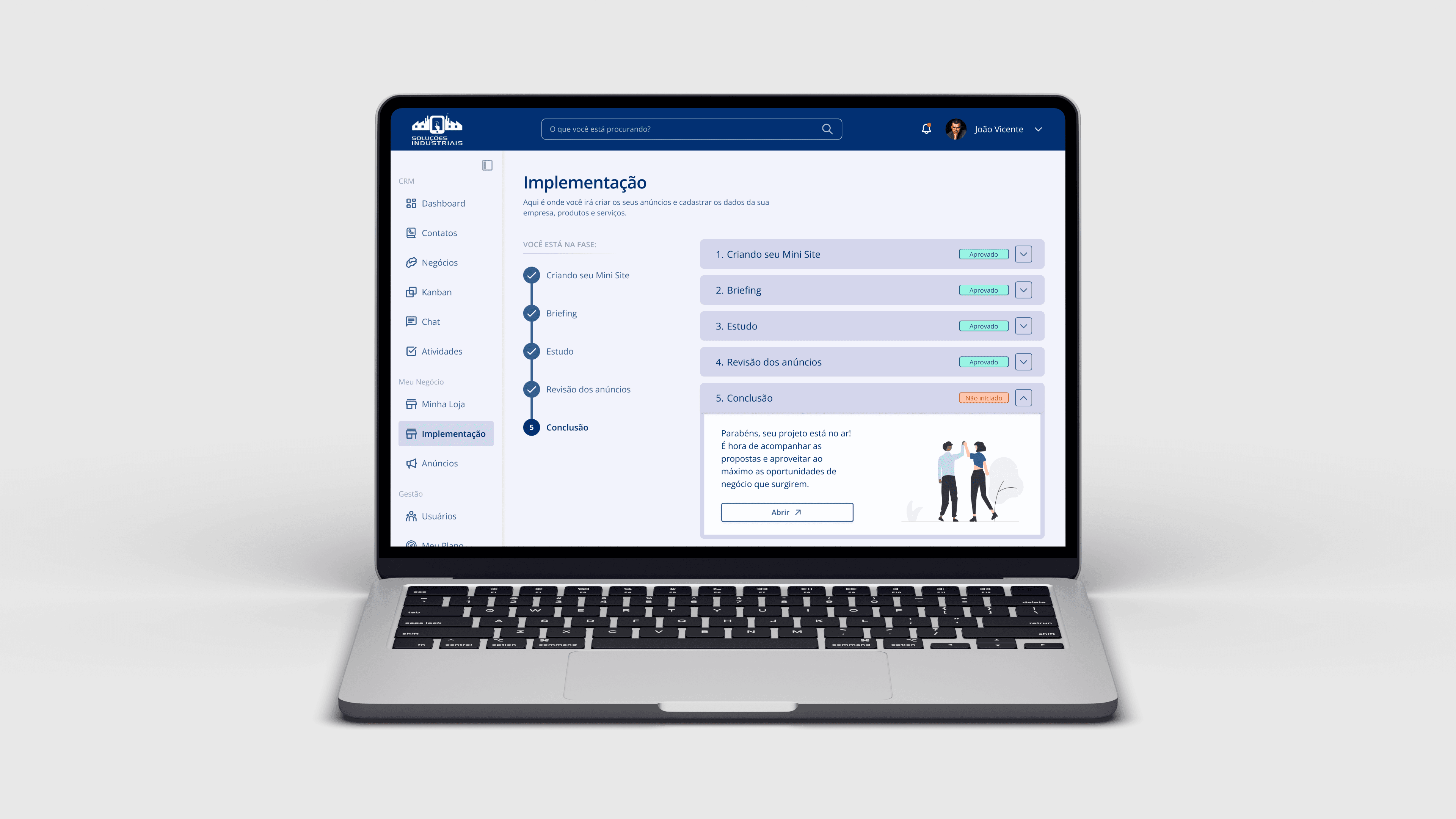
After defining the questions, ideal responses, and supporting examples, I moved on to wireframing and interface design.
The strategy was to group related questions into dedicated pages. Although this increased the total number of steps, it provided users with a clear sense of progress throughout the process.
Each page was organized around a specific theme, making it easier for clients to recall and provide the required information.


Creating a clear example
With all the screens and questions already created, I decided to create a clear example that would help people navigate the entire process clearly.
To do this, I chose a simple and widely known product: a T-shaped plug adapter.
Then I crafted all the responses as if the person were listing this product on our platform. This helps the user follow the logic of the responses and complete the listing in a clearer and more targeted way.
Screens and extras